
Outdoor Living Space Design FAQ for Homeowners
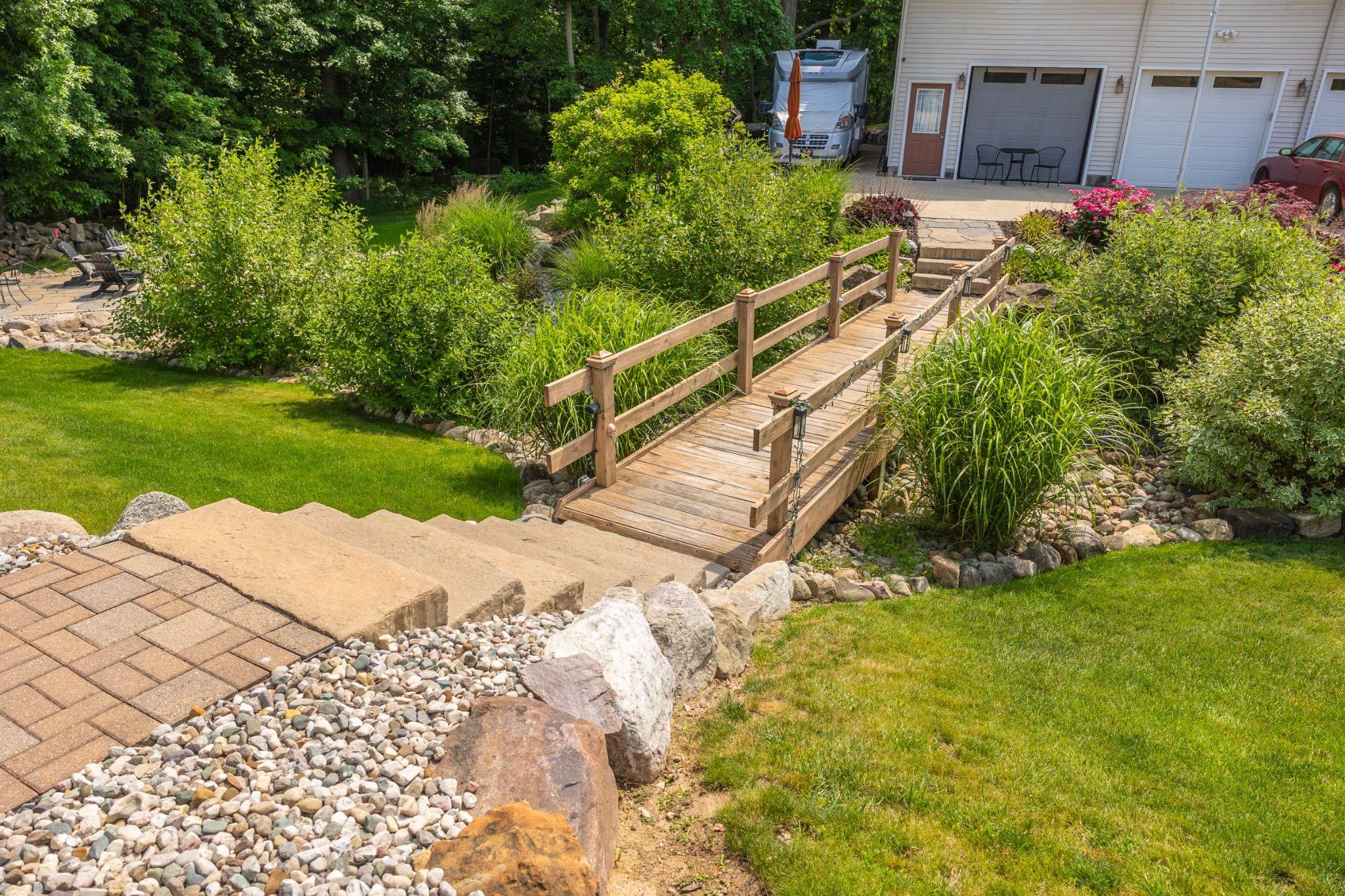
Planning an outdoor space can feel overwhelming. You may know you want a better patio, improved flow, or more privacy, but it’s hard to know where to begin. Without clear direction, it’s easy to second-guess decisions or worry about timelines, costs, and outcomes.
That uncertainty is common. Homeowners often struggle with layout flow, material selection, lighting placement, and understanding how long does landscape design take. Online searches can lead to conflicting advice, which adds confusion instead of clarity and makes the process feel more stressful than it needs to be.
That’s where an outdoor living space design FAQ becomes helpful. Instead of guessing, this guide gathers answers to the most common planning concerns homeowners face when shaping their outdoor areas. Each section explains how specific choices affect comfort, function, and long-term use so you can move forward feeling informed and confident.
What Counts As An Outdoor Living Space?
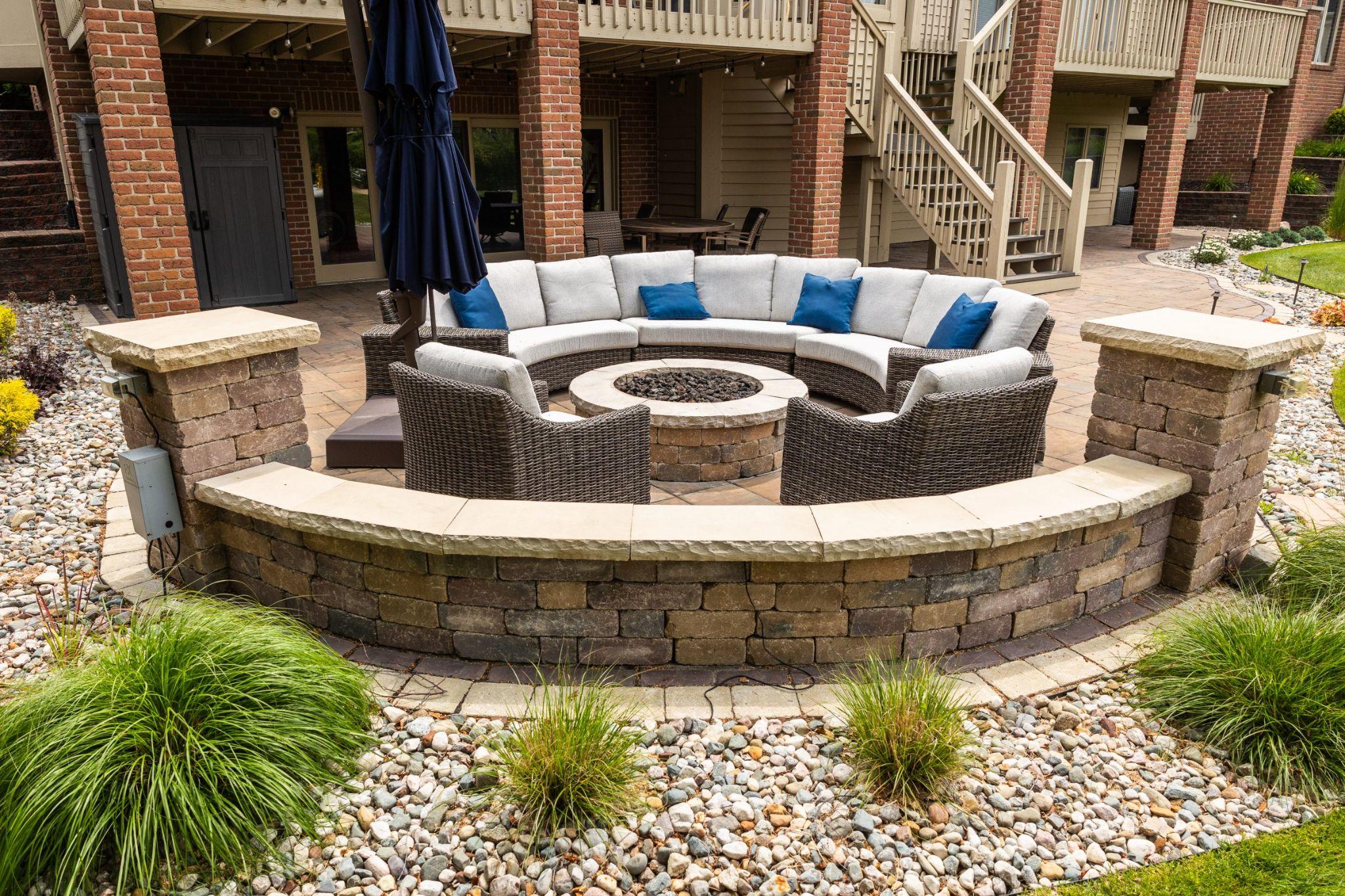
An outdoor living space includes any part of your yard designed for comfort and regular use. In many homeowner-focused outdoor living design plans, this goes beyond a simple patio to include seating areas, walkways, outdoor kitchens, fire features, lighting, and supporting planting.
Function matters more than labels. Your outdoor space should reflect how you relax, entertain, or spend time with family. Transitional elements such as shaded zones, privacy buffers, and seasonal-use areas also play a role. Viewing your property through guidance drawn from outdoor living design FAQs helps clarify which elements truly enhance daily enjoyment.
How Do You Decide What Zones You Need In Your Yard?
Zoning helps your yard feel intentional rather than crowded. Many common outdoor space planning routines focus on zoning because it directly affects how people move, gather, and relax outdoors.
Typical zones include dining or cooking areas, lounging spaces, open lawn or play areas, planting beds, and circulation paths. These areas don’t need hard boundaries. Subtle changes in material, elevation, or planting often work best. Thinking through how frequently each zone will be used helps ensure primary spaces feel comfortable instead of constrained.
Explore our outdoor living space design guide to see how zones connect within a complete layout.
What’s The Easiest Way To Plan An Outdoor Living Space Layout?
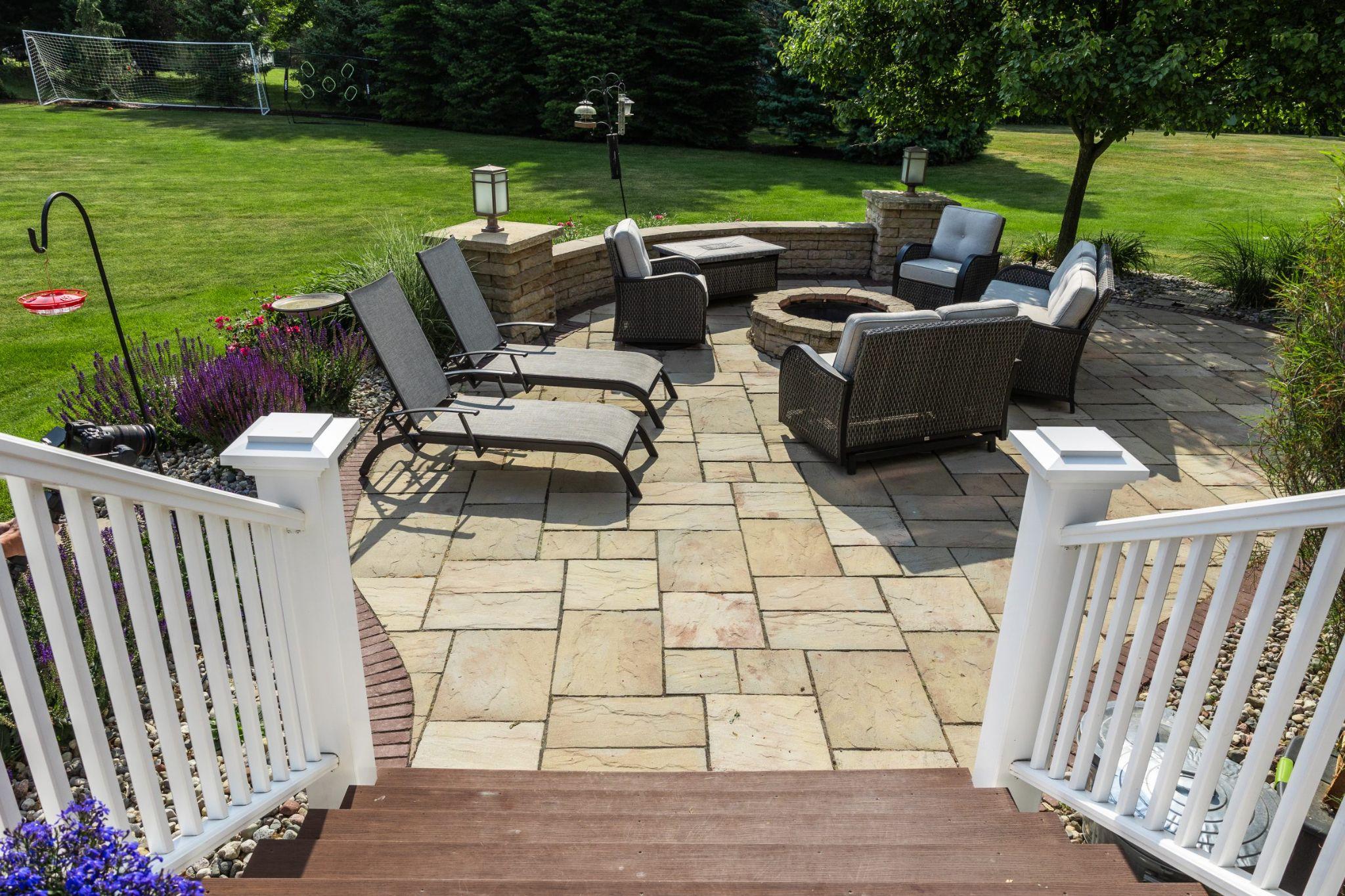
The easiest layouts begin with movement. In any outdoor living space design plan, circulation is central because it influences how natural the space feels to use.
Start by identifying entry points from the house, natural walking routes, and areas where people naturally gather. Larger features should be placed first, followed by smaller details. A clear layout also makes future updates easier, allowing new elements to be added later without disrupting how the space already functions.
How Much Space Do You Need For Comfortable Circulation Paths?
Comfortable circulation paths make your yard easier to use every day. Many answers found in outdoor living planning FAQs recommend main walkways around four feet wide, with secondary paths adjusted based on traffic.
Consider carrying food outdoors, moving around furniture, or kids and pets passing through at the same time. Adequate spacing also improves safety during gatherings when multiple people move through the yard. Review our comprehensive design guide for more details on spacing and flow.
How Do You Plan An Outdoor Kitchen Layout That Feels Easy To Use?
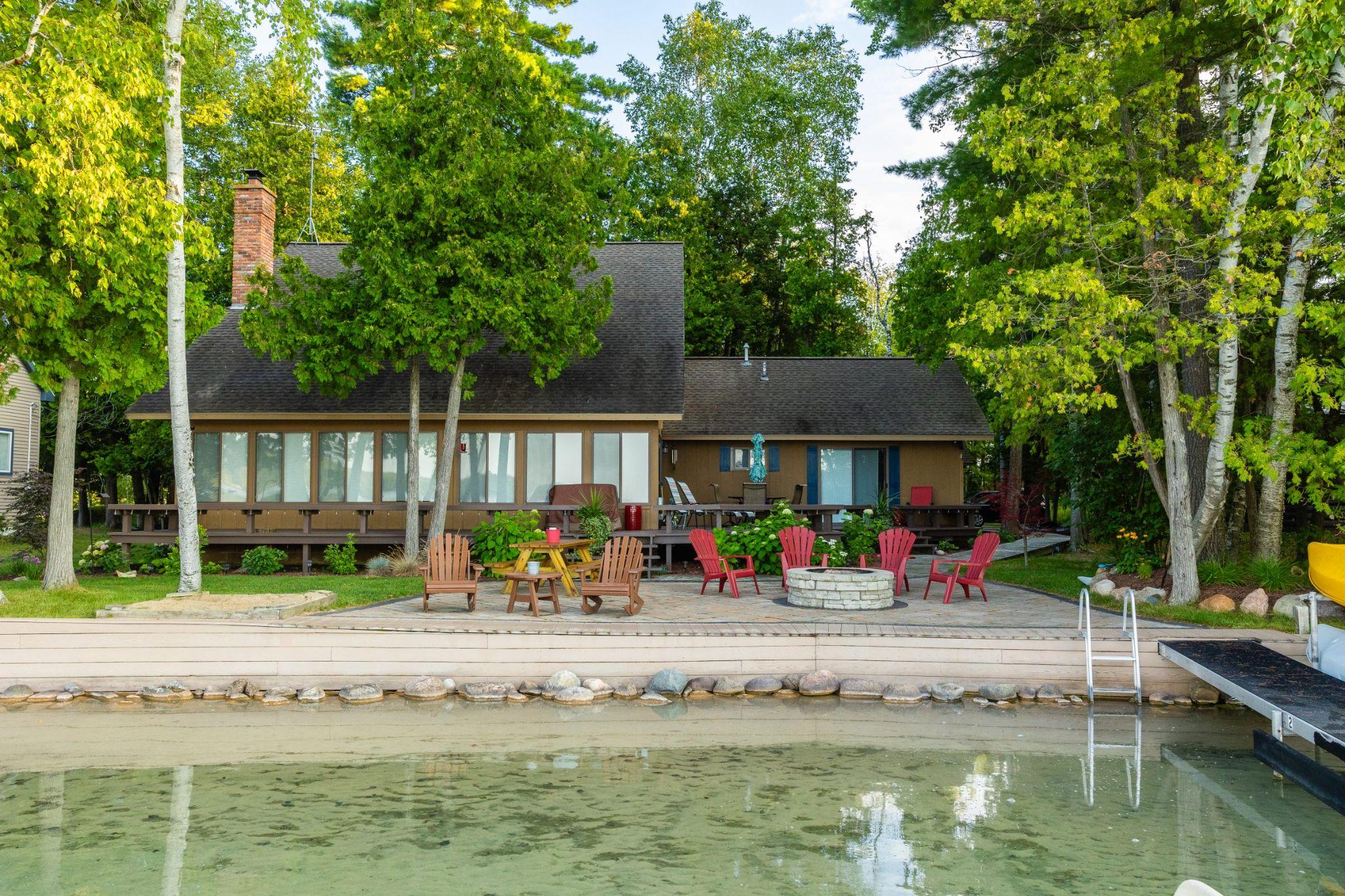
Understanding how to plan an outdoor kitchen layout starts with workflow. The goal is to reduce unnecessary steps and avoid congestion, especially when more than one person is involved.
Key considerations include prep space near the grill, clear walkways behind cooking areas, and seating positioned away from heat. Planning storage early prevents clutter and keeps frequently used tools accessible. Many outdoor living design FAQ resources like this one will show that simpler kitchen layouts often feel more comfortable and easier to maintain.
What Patio Materials Hold Up Well And Still Look Refined?
Choosing the best patio materials for outdoor living requires balancing durability with appearance. Common options include concrete pavers, natural stone, and poured concrete.
Climate, drainage, and maintenance preferences should guide the decision. Material texture and surface temperature also matter, particularly in sunny or damp environments. Learn how materials fit into outdoor living space design to see how these choices affect long-term performance.
How Do You Handle Slopes And Drainage In A Patio Area?
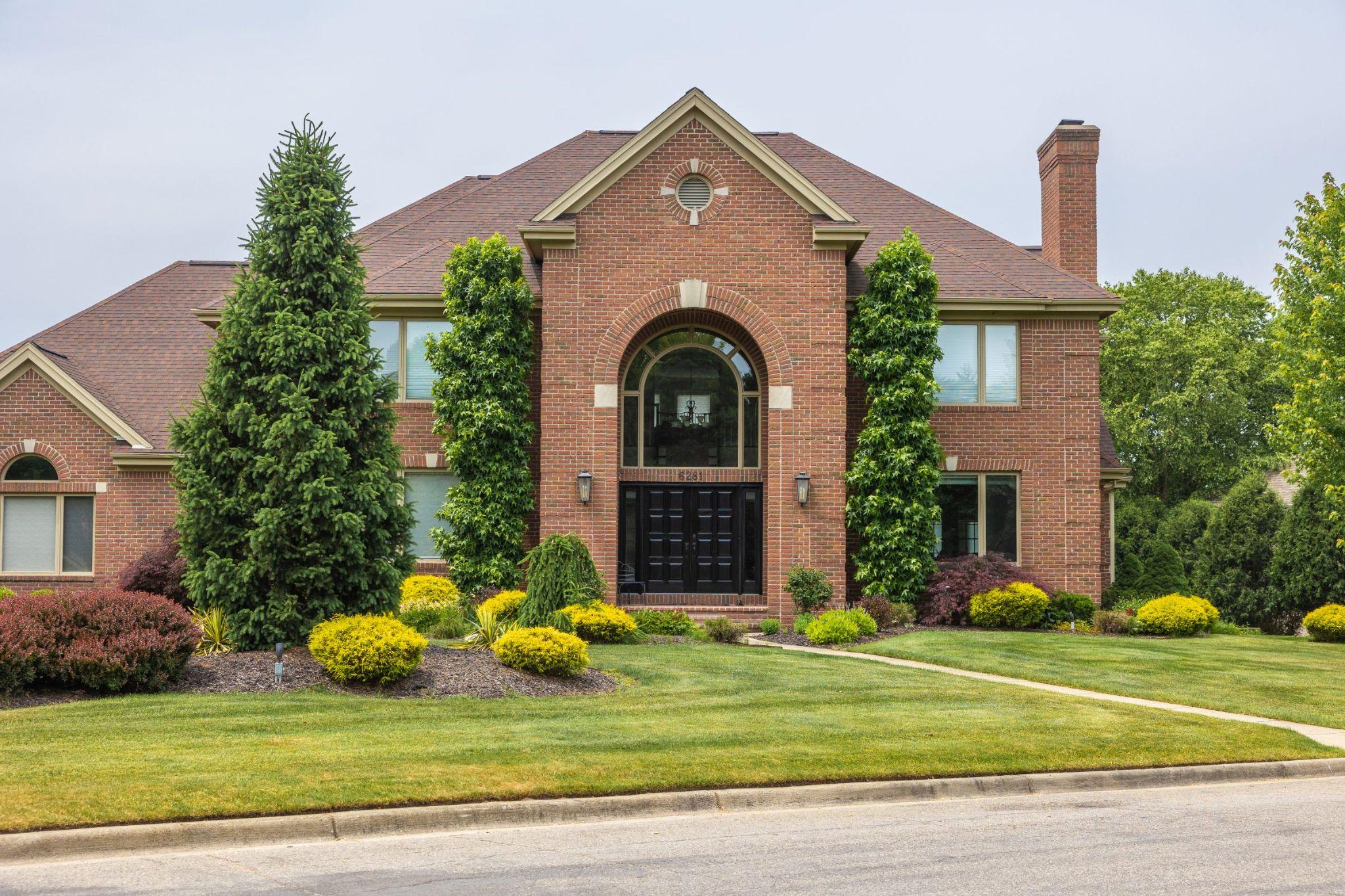
Slopes don’t have to limit design potential. Many outdoor living space design FAQs will explain how elevation changes can add structure and visual interest when handled thoughtfully because this detail is often overlooked by those who are just starting out.
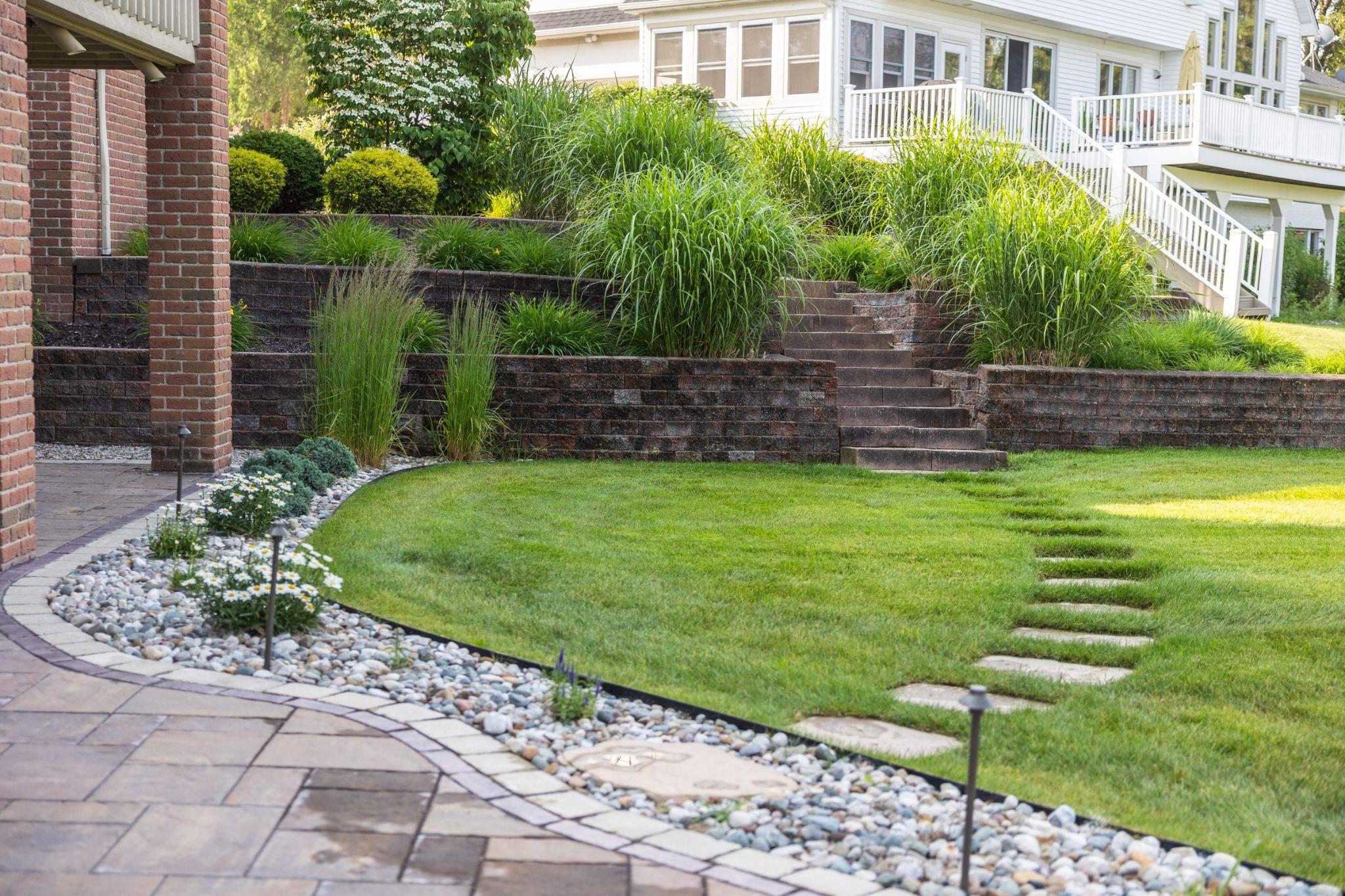
Solutions may include terracing, integrated steps, or retaining walls designed for stability. Addressing drainage early protects surrounding planting and prevents pooling water that can shorten the lifespan of hardscape materials.
How Do You Add Privacy To A Backyard Patio Without Blocking Light?
Learning how to add privacy to a backyard patio often means layering solutions instead of relying on solid walls.
Decorative screens, strategic planting, and open pergola structures provide separation while maintaining airflow and light. Privacy elements should also align with local regulations and property lines. See how privacy works within outdoor living space design for additional planning context.
How Do You Choose Landscape Lighting For Safety And Atmosphere?
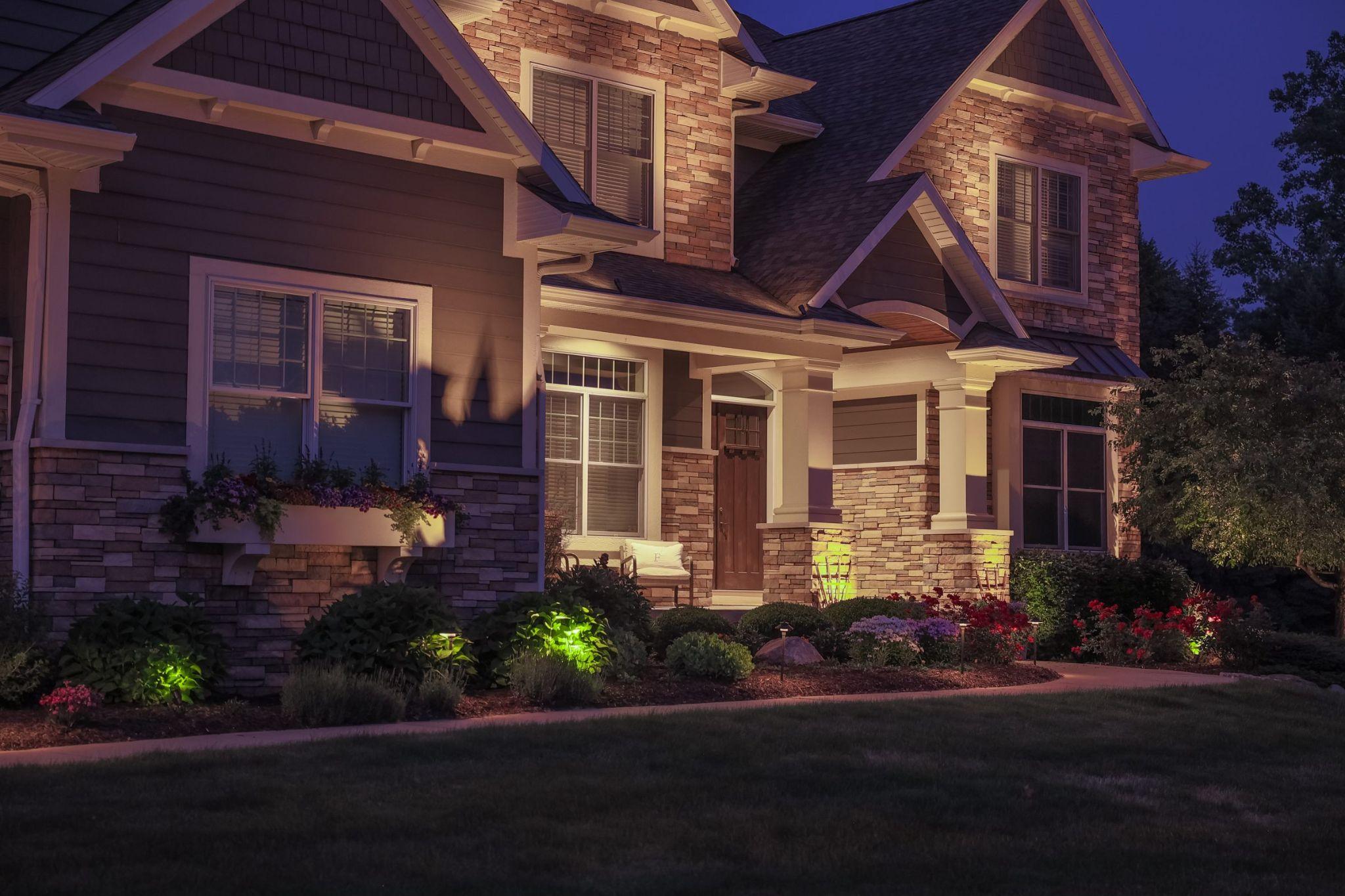
Knowing how to choose landscape lighting starts with purpose. Lighting should support safe movement while creating a welcoming atmosphere.
Focus on path lighting, accent lighting for features, and soft lighting near seating areas. Lighting should feel balanced so no area feels overly bright or underlit. Placement matters more than quantity.
Where Should Path Lights Go (And Where Shouldn’t They Go)?
Path lights should define edges rather than shine directly into eyes or windows. Many outdoor living design planning FAQs and other resources will recommend staggered placement for subtle guidance.
Proper placement also highlights changes in elevation, reducing the risk of trips after dark. Refer to our outdoor living design guide for clear lighting placement examples.
What’s The Difference Between A Seating Wall And A Retaining Wall?
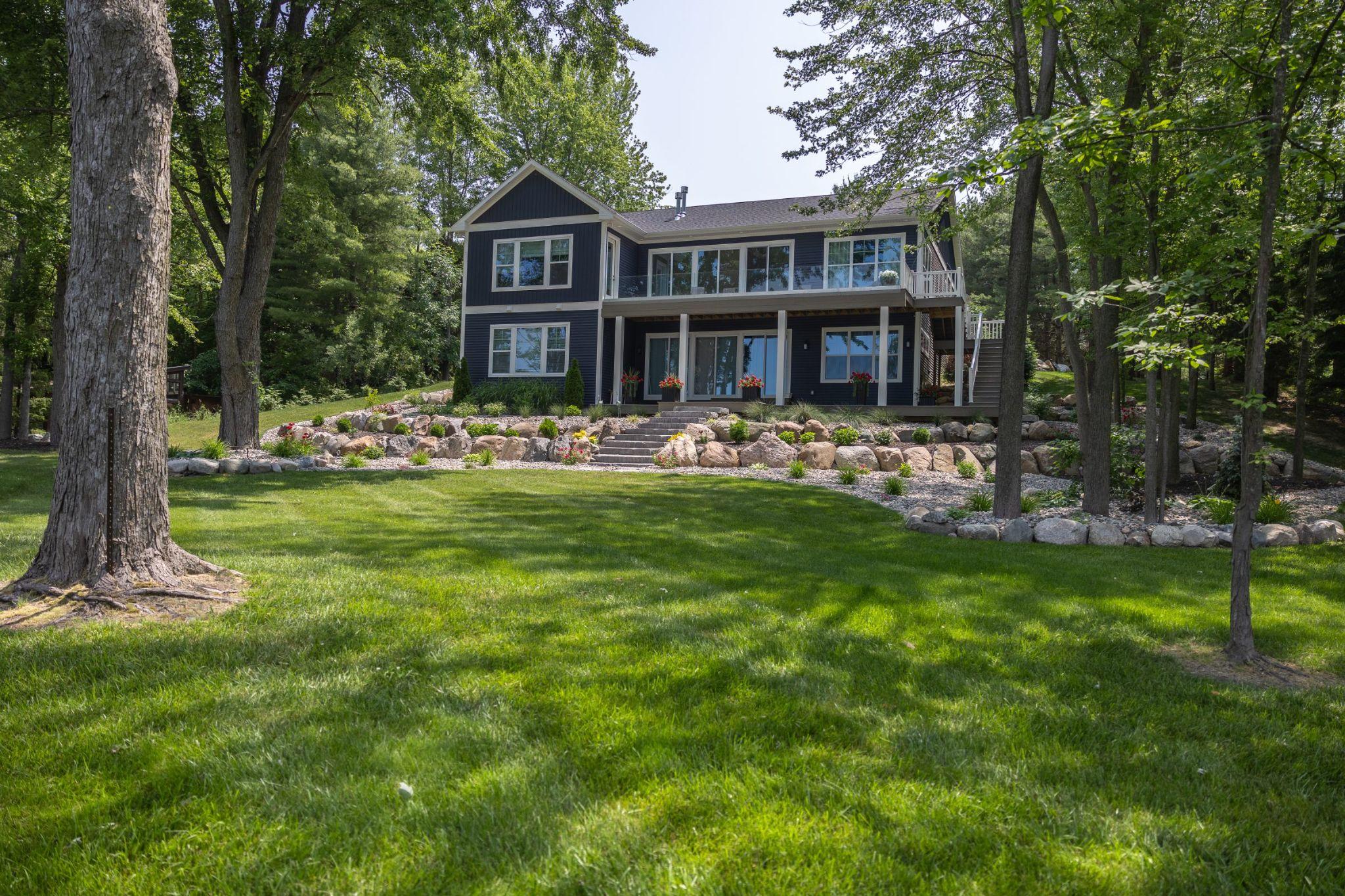
A seating wall is designed for comfort and casual use. A retaining wall is engineered to hold back soil and manage grade changes. This distinction appears often in outdoor living space design because each wall serves a different structural purpose.
Using the wrong wall type can lead to discomfort or structural issues over time, making this decision especially important during planning.
How Do You Pick Planting That Stays Tidy Through The Season?
Low-maintenance planting is a frequent topic in outdoor living design for homeowners. Plants with predictable growth habits help the space stay intentional and manageable and keep your maintenance responsibilities more manageable.
Look for seasonal interest, appropriate scale, and similar care needs. Grouping plants with comparable maintenance requirements makes upkeep easier. Thoughtful plant spacing also allows for mature growth without overcrowding, helping beds look polished rather than overgrown as seasons change.
How Do You Plan For Pets And Kids In An Outdoor Living Space?
Family-friendly design prioritizes safety, durability, and visibility. Many outdoor living planning routines will recommend slip-resistant surfaces, rounded edges, and open sightlines.
Durable materials and clear boundaries help the space adapt as family needs change. Incorporating flexible lawn areas or multi-use surfaces also allows the space to evolve as children grow or pet routines shift over time.
What Should You Bring To A Landscape Design Consultation?
Knowing how to prepare for a landscape design consultation helps keep discussions productive and focused.
Bring inspiration photos, notes on how you use your yard, and a general budget range. Sharing long-term goals also helps guide decisions so the design continues to work as your lifestyle evolves. Being open about constraints, timelines, and must-haves creates a smoother planning experience.
How Do You Keep Decisions Organized During A Project?
Organization reduces stress throughout the project. Many outdoor living space design FAQs and plans will emphasize proactive communication, clear documentation, and a single point of contact.
Clear records help prevent delays and ensure expectations stay aligned. Tracking approvals, selections, and updates also reduces the chance of miscommunication as the project progresses. When you’re ready for the next steps, explore outdoor living services for professional support.
Bringing It All Together
A well-planned outdoor space should feel natural, functional, and easy to enjoy. Clear answers and thoughtful planning help you trust the process and enjoy the experience instead of feeling overwhelmed. When decisions stay organized and communication remains consistent, the entire project feels more manageable from start to finish.
Taking time to understand layout flow, material performance, lighting placement, and long-term maintenance allows you to make choices with confidence rather than uncertainty. Each decision builds on the last, creating a space that not only looks good on day one but continues to function well as your needs change. Planning also helps prevent costly revisions later by identifying priorities early and aligning expectations before construction begins.
An intentional approach supports better outcomes and a more positive experience overall. When you understand how individual elements work together, your outdoor space becomes easier to use, easier to maintain, and more enjoyable year after year. If you’re ready to explore what’s possible for your yard, request a quote.
Tags: