
Outdoor Living Space Design Guide: Layout, Materials & Features
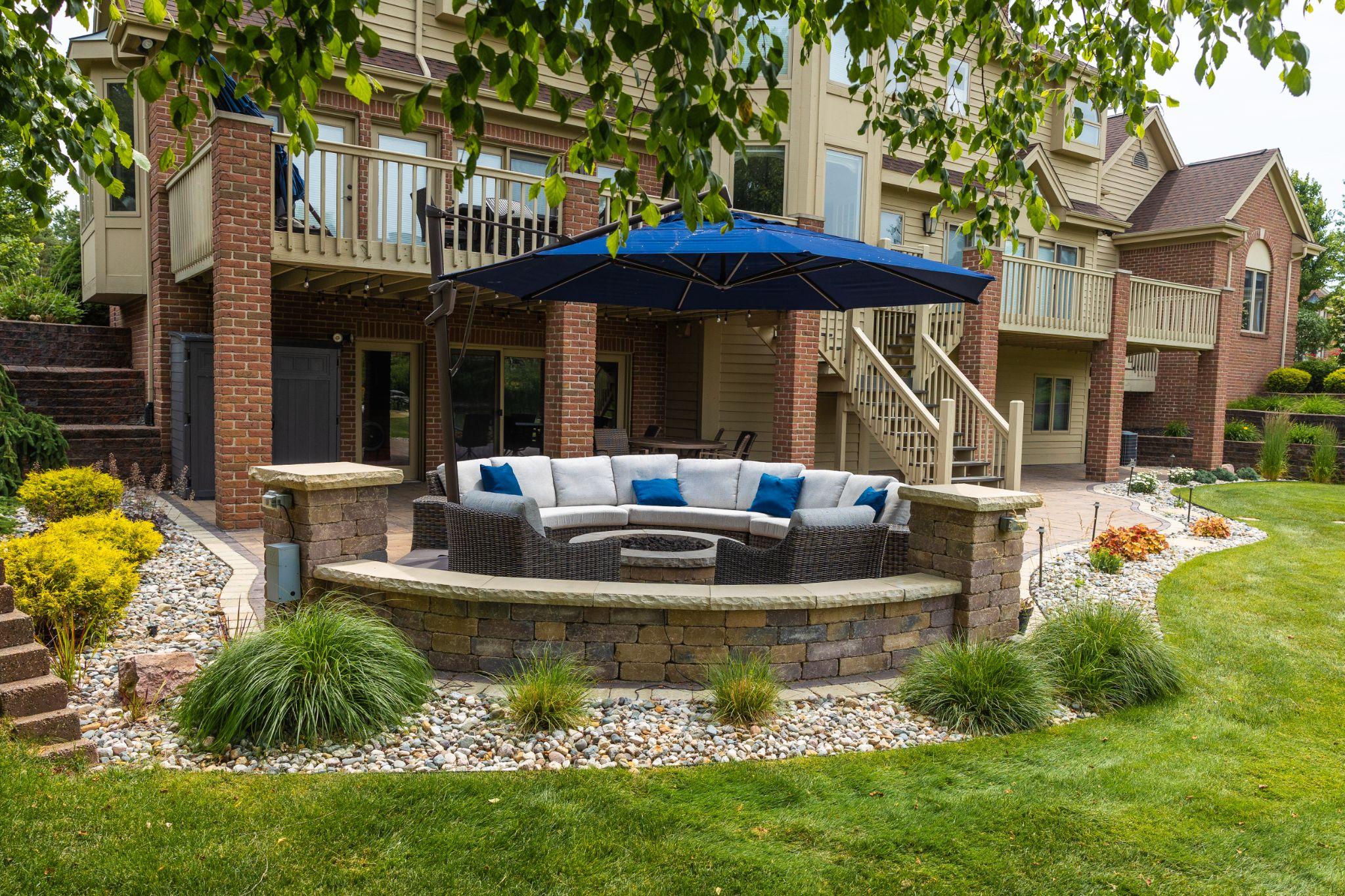
Designing your ideal yard can feel overwhelming without a practical approach to show the way. You may have a blank slate of grass or an existing patio that just isn’t working for your needs. Many homeowners aren’t sure where to start when turning a backyard into a true extension of their home. If you’ve ever wished for a guide to follow, you’re not alone.
The good news is that designing an inviting outdoor living space is completely achievable. With the right plan, you can create a backyard that fits how you live and host guests. In this guide, you’ll know how to map out outdoor living space layout ideas, choose materials, incorporate lighting and plants, and more. Whether you’re in St. Johns, Michigan, or anywhere with changing seasons, the principles in this outdoor living space design guide will help you make the most of your outdoor area. Let’s get started planning your ideal backyard retreat.
What Is an Outdoor Living Space (And What Counts as One)?
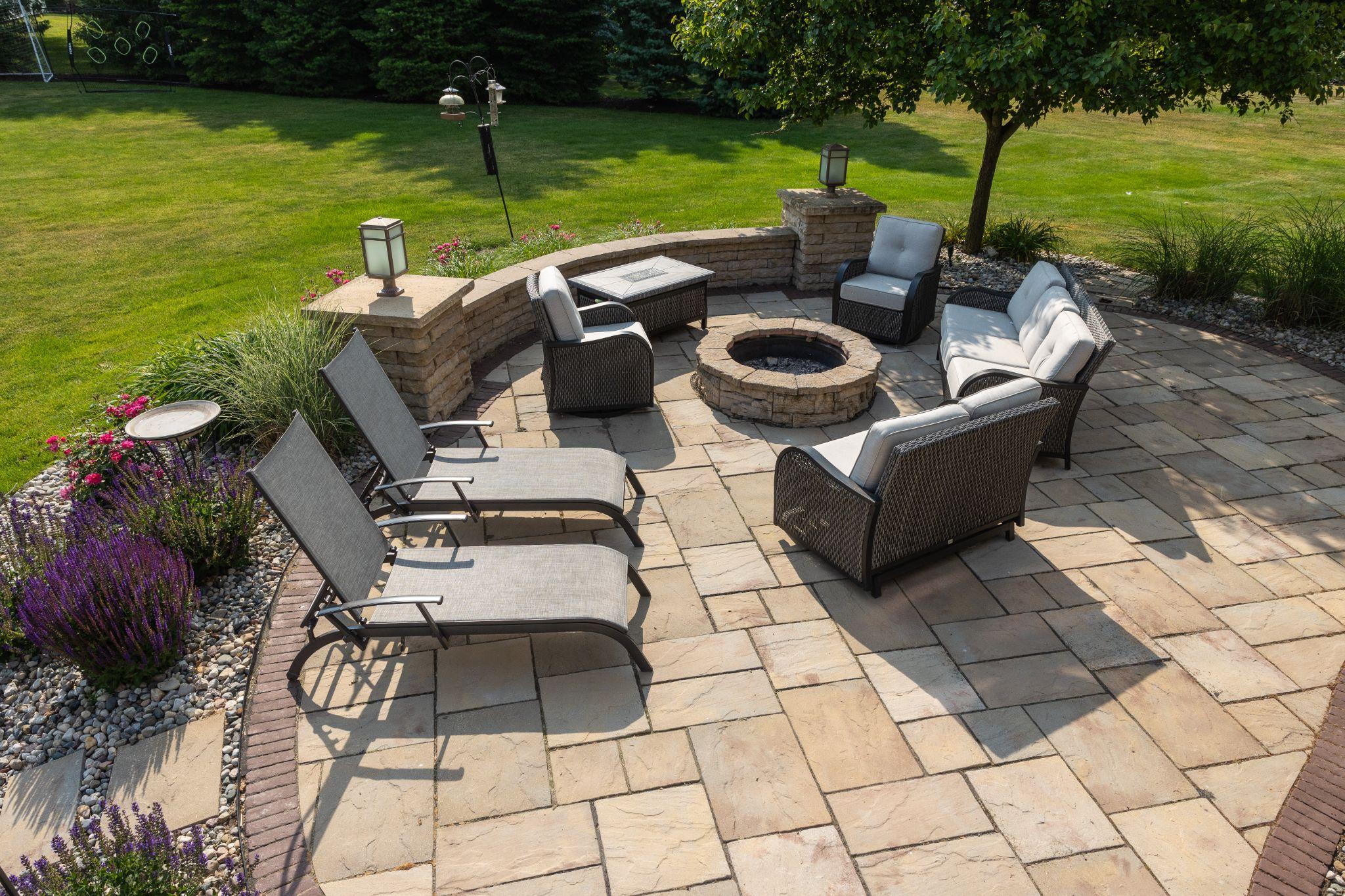
At its core, an outdoor living space is any area outside your home that’s designed for comfort, leisure, and everyday use. This can be as simple as a small patio with a couple of chairs, or as elaborate as a fully furnished backyard complete with a kitchen and fire pit.
For example, common outdoor living space layout ideas include:
- A patio or deck with cozy seating and maybe a dining table for meals outside.
- An outdoor kitchen or built-in grill area where you can cook and serve guests under the open sky.
- A fire pit or fireplace zone with chairs gathered around for evening conversations and roasting marshmallows.
- Covered structures like pergolas or gazebos that provide shade and a living-room-like feel outdoors.
- Even a simple bench in a garden corner can be part of your outdoor living space if it’s a spot you unwind regularly.
The key is that an outdoor living space makes your yard functional and inviting as a place to spend time, not just something nice to look at. It blurs the line between indoors and outdoors, giving you more room to live your life at home. Now that you know what qualifies, the rest of this outdoor living space design guide will help you design one that fits you perfectly.
How to Design an Outdoor Living Space Around How You Host?
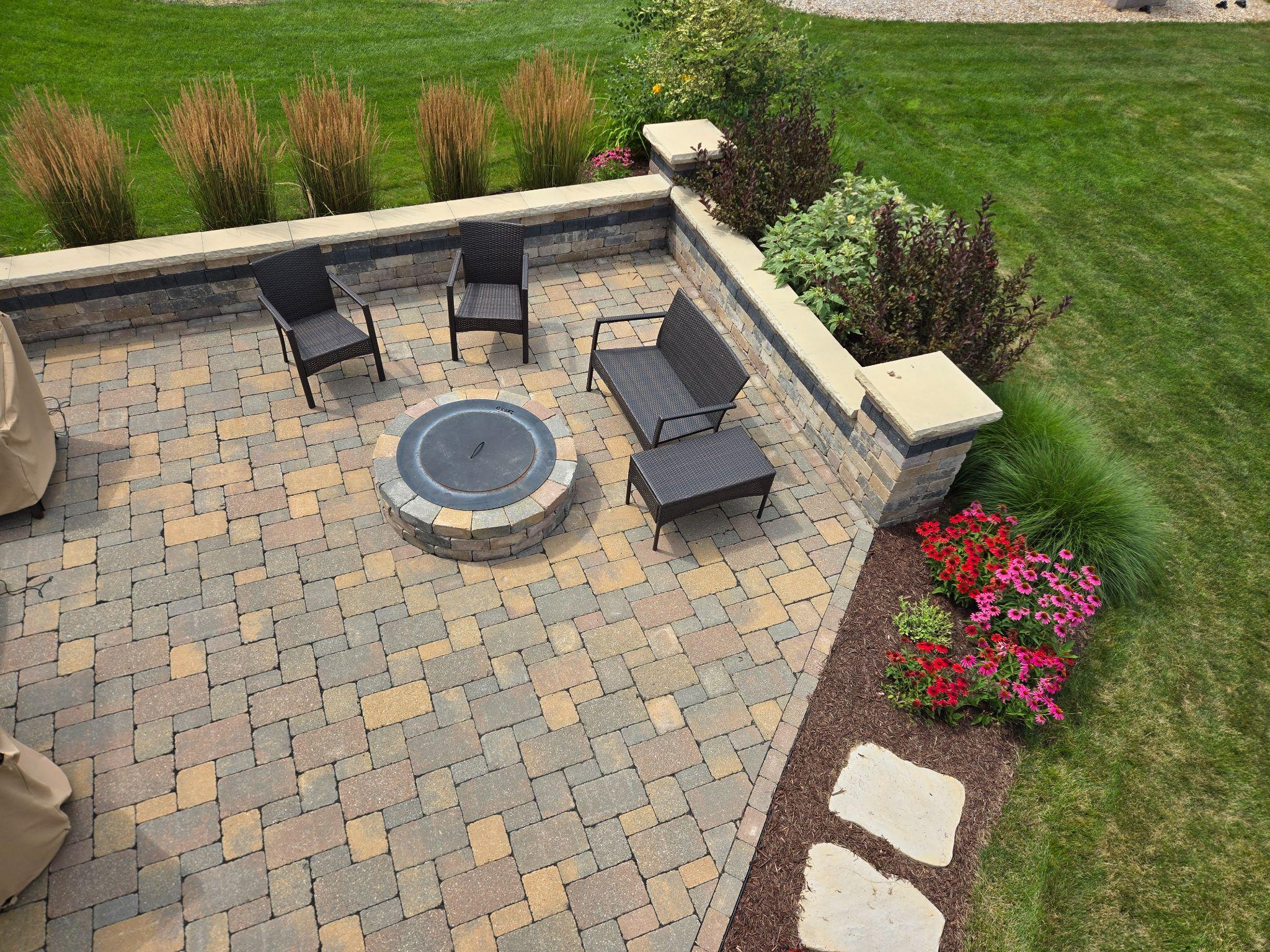
The best outdoor spaces are tailored to the way you actually live and entertain. One key principle of any outdoor living space design guide is that the best outdoor spaces are tailored to how you actually live and entertain.
Designing around your hosting style ensures your outdoor living area truly fits your life.
Here is how to design an outdoor living space:
Large Gatherings
Plan for plenty of open, flexible space. You might want a spacious patio or even multiple patio areas so guests can spread out.
Include lots of seating options (benches, chairs, maybe outdoor sofas) that you can rearrange. Make sure there is a clear path from the house to the outdoor areas for easy flow. If you expect 20 people regularly, your outdoor living space design guide should prioritize a bigger patio and perhaps zones for different activities (grilling, dining, and mingling).
Small Get-Togethers
Create a cozy, intimate nook. A fire pit with a circle of chairs or a small dining patio under a pergola might be perfect. Focus on comfort like cushioned seating or a porch swing.
With fewer people, you can add more personal touches like an herb garden near the kitchen or a water feature for a peaceful vibe.
Kids or Active Family Life
Incorporate safe play and activity areas. Maybe you’ll include a flat lawn space for games or a playset off to one side. Ensure there’s seating nearby so adults can watch the kids while relaxing.
What Are Some Outdoor Living Space Layout Ideas for Natural Flow?
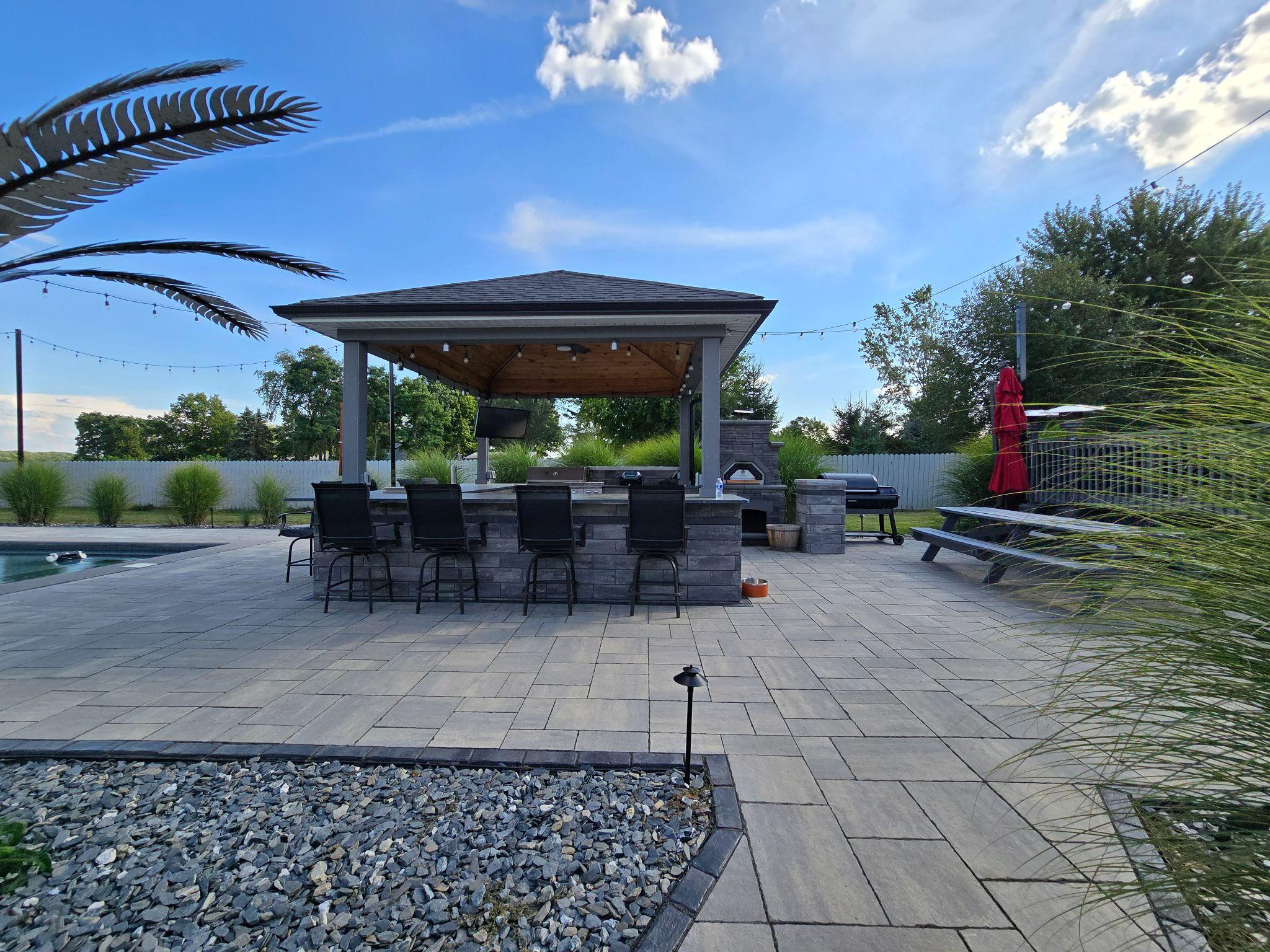
Layout is all about how you arrange different functions in your yard. As you plan this step of your outdoor living space design guide, the goal is to make moving through your yard feel effortless.
A natural flow comes from thoughtful “zoning” of your outdoor space. This means grouping related activities together in a sensible way. By organizing your yard into functional areas, you set yourself up for a layout that makes sense instinctively. This is the kind of result any outdoor living space design guide aims to help you achieve.
For many homeowners, common zones include:
- Cooking area: This could be a simple grill or a full outdoor kitchen. Either way, place it somewhere convenient, usually not far from the house (to easily fetch food and utensils). Think about wind direction too, so grill smoke doesn’t blow into seating areas or indoors.
- Dining area: A spot for your outdoor table and chairs. Ideally, this is close to the cooking area for convenience. It might be on a deck or patio. Ensure there’s enough space for chairs to slide out and people to walk behind them comfortably.
- Lounge area: A place to relax, like a set of comfy chairs or a sofa around a coffee table or fire pit. This zone can be a bit farther out in the yard if you want a separate feel, or adjacent to the dining area for one large patio. Consider using a different surface or an outdoor rug to visually define the lounge space.
- Play or activity area: If you have kids (or pets), you might dedicate part of the yard as an open play lawn, a swing set corner, or a spot for lawn games. Keep this zone a safe distance from the fire pit or grill, and in view from the lounge or dining areas so you can supervise easily.
What Are Patio Design Tips for Backyards (Shapes, Levels, Paths)?
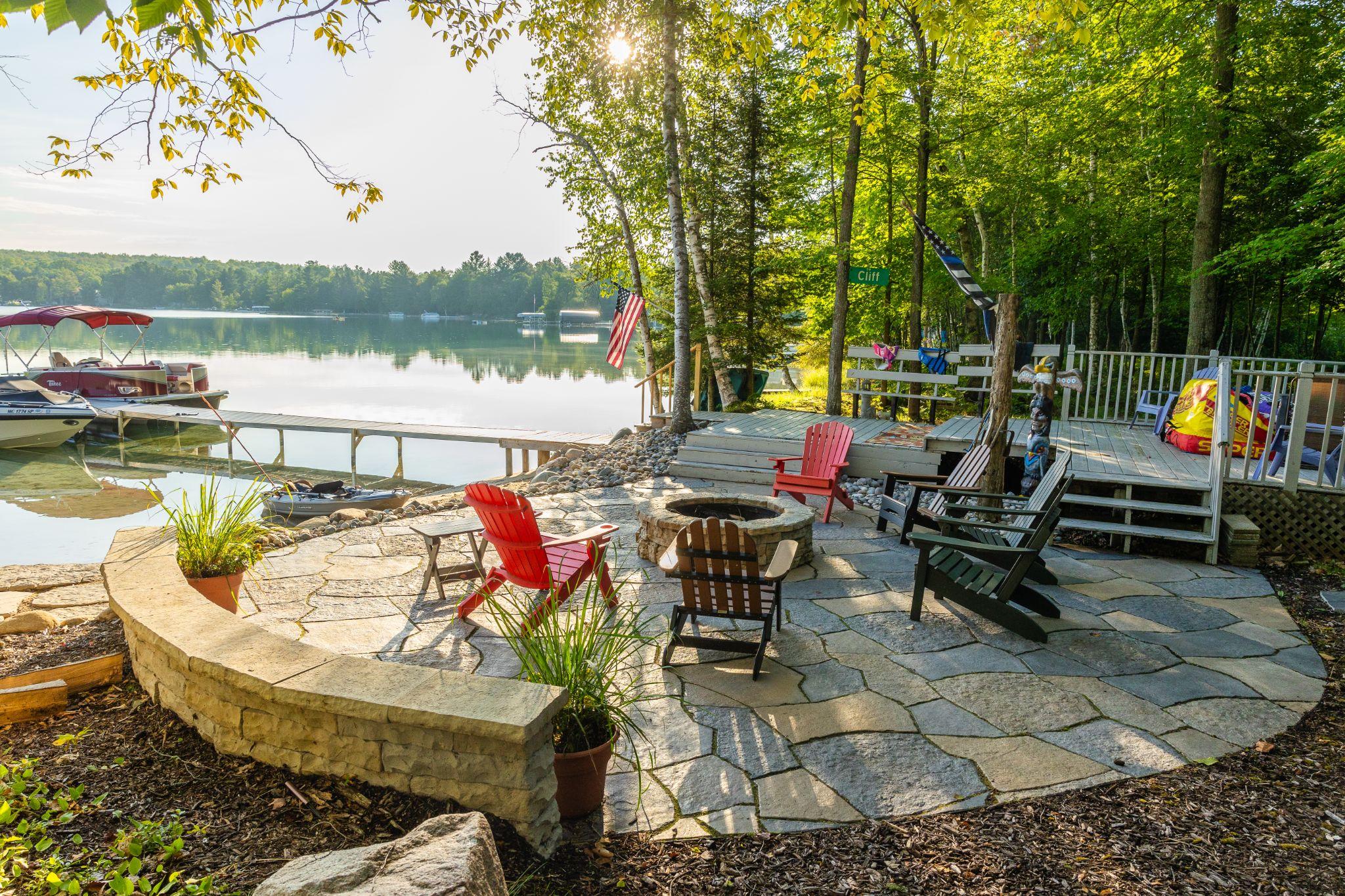
Your patio is often the heart of your outdoor living area, so getting its design right is important. As part of your outdoor living space design guide, you’ll want to consider the shape, elevation, and connections of your patio.
Here are some key patio design tips for the backyard to keep in mind:
- Pick a shape that fits your space and style: Patios can be square, rectangular, round, or free-form curved. There’s no one-size-fits-all. Select a shape that complements your house and the yard’s layout. Sometimes combining shapes (like an L-shape patio or a main patio with a curved edge) creates visual interest and distinct areas.
- Use levels to your advantage: If your yard has a slope, consider a multi-level patio instead of one large platform. You can have two or more tiers connected by one or more steps. This adapts to the terrain and can also separate areas (for example, an upper dining deck and a lower lounge patio).
- Plan walkways and transitions: You might have a path from the driveway or a gate that leads guests straight to the backyard, or stepping stones that link the patio to a garden or play area. Make sure there’s a clear, safe route so the patio feels connected to the rest of the yard. Any outdoor living space design guide will emphasize the importance of maintaining these connections to keep your yard feeling unified.
- Integrate a fire pit thoughtfully: Decide early if you want a built-in fire pit (often made of stone or pavers) as part of the patio, or a portable fire bowl you can move. If it’s built-in, position it toward the center or edge of the patio where there’s plenty of space for chairs around it. Keep it at a safe distance from the house or any overhanging trees (and check local regulations for the minimum distance required from structures).
How Should You Plan Your Outdoor Kitchen Layout for Convenience?
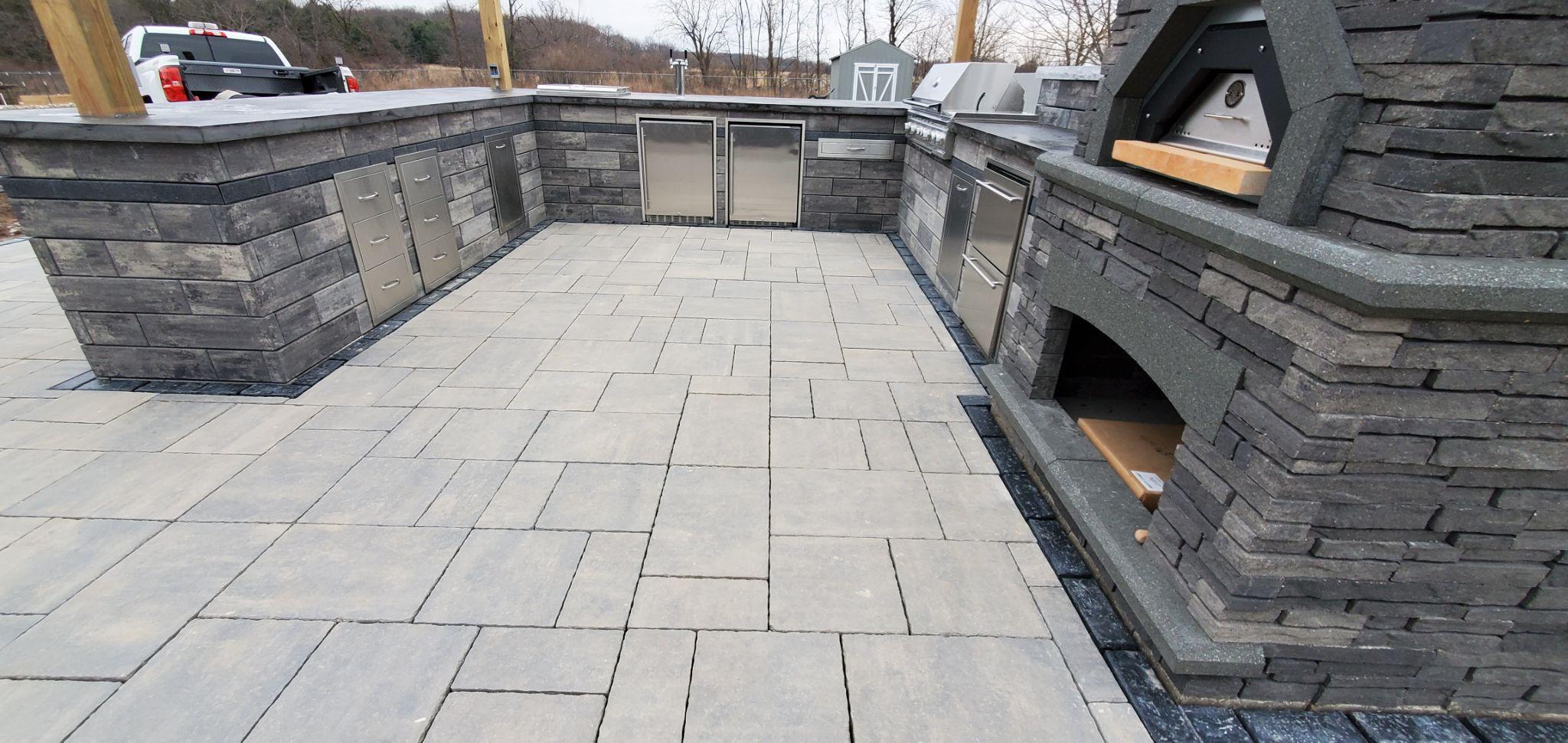
An outdoor kitchen adds flexibility to backyard entertaining, but thoughtful planning is essential. Placement should balance convenience for cooking and comfort for guests. Kitchens located near the home simplify access to supplies and utilities, while standalone kitchens require built-in storage, refrigeration, and waste space to avoid constant trips indoors. In this outdoor living space design guide, ease of use is the priority when selecting location.
Layout plays a major role in safety and flow. An effective outdoor kitchen layout guide includes adequate counter space, safe grill clearances, and appliance spacing that allows movement without congestion. Cooking zones should sit outside main walking paths, often defined by an island or bar to separate work and seating areas. Utility planning matters as well. Plumbing must be winterized, gas lines professionally installed, and irrigation adjusted to prevent overspray. Proper drainage ensures water moves away from the kitchen, protecting surfaces and structures long-term.
How to Choose Materials for Patios, Walls, and Outdoor Kitchens?
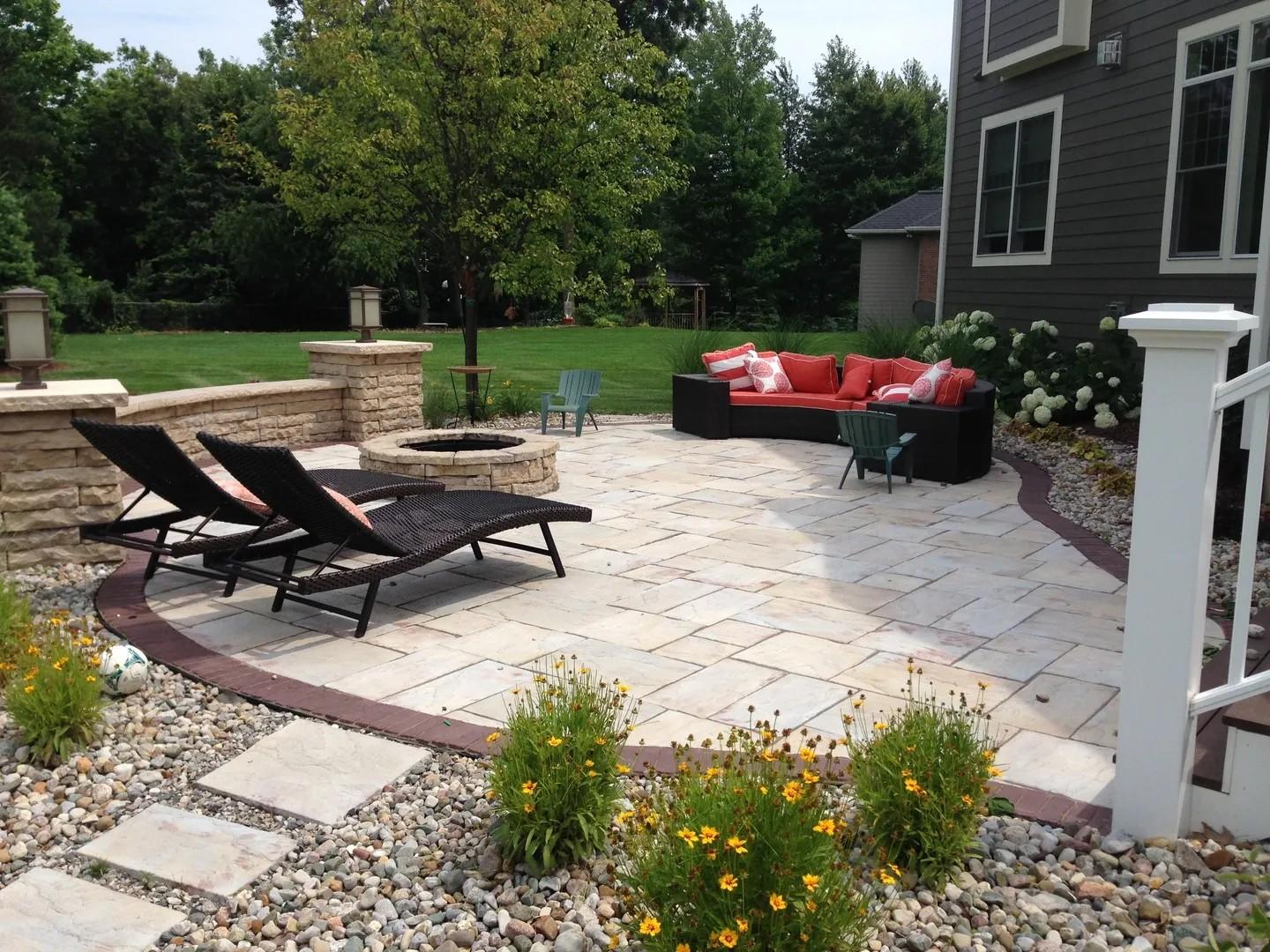
The materials you pick will define the look and longevity of your outdoor features. This outdoor living space design guide will steer you toward smart choices for each feature.
Here are some tips on selecting materials for different parts of your outdoor living space:
Patio Surfaces
Patio materials include concrete, pavers, natural stone, brick, and gravel. Concrete offers flexibility but may crack in freeze-thaw cycles. Pavers handle movement well and are easy to repair. Natural stone delivers durability and character but can be uneven. Choose textured, cold-rated surfaces to reduce slipping and weather damage over time.
Retaining Walls and Seating Walls
Low walls are typically built with natural stone or manufactured concrete blocks. Stone offers a classic look but requires skilled installation. Concrete blocks provide strength and design flexibility. Modular wall systems can double as seating. Matching wall materials to the patio and adding capstones creates a cohesive, finished appearance.
Outdoor Kitchen Finishes
Outdoor kitchens are typically built on concrete pads or decks with durable framing. Finishes like stone veneer, brick, or stucco should complement nearby hardscapes. Countertops such as granite, sealed concrete, or stainless-steel handle weather well. Use outdoor-rated appliances and weather-resistant cabinetry to prevent rust, cracking, or fading over time.
Keep these material considerations in mind as you continue through this outdoor living space design guide, and you’ll avoid regrets down the road.
How Do You Create a Landscape Lighting Plan for Backyard Safety and Atmosphere?
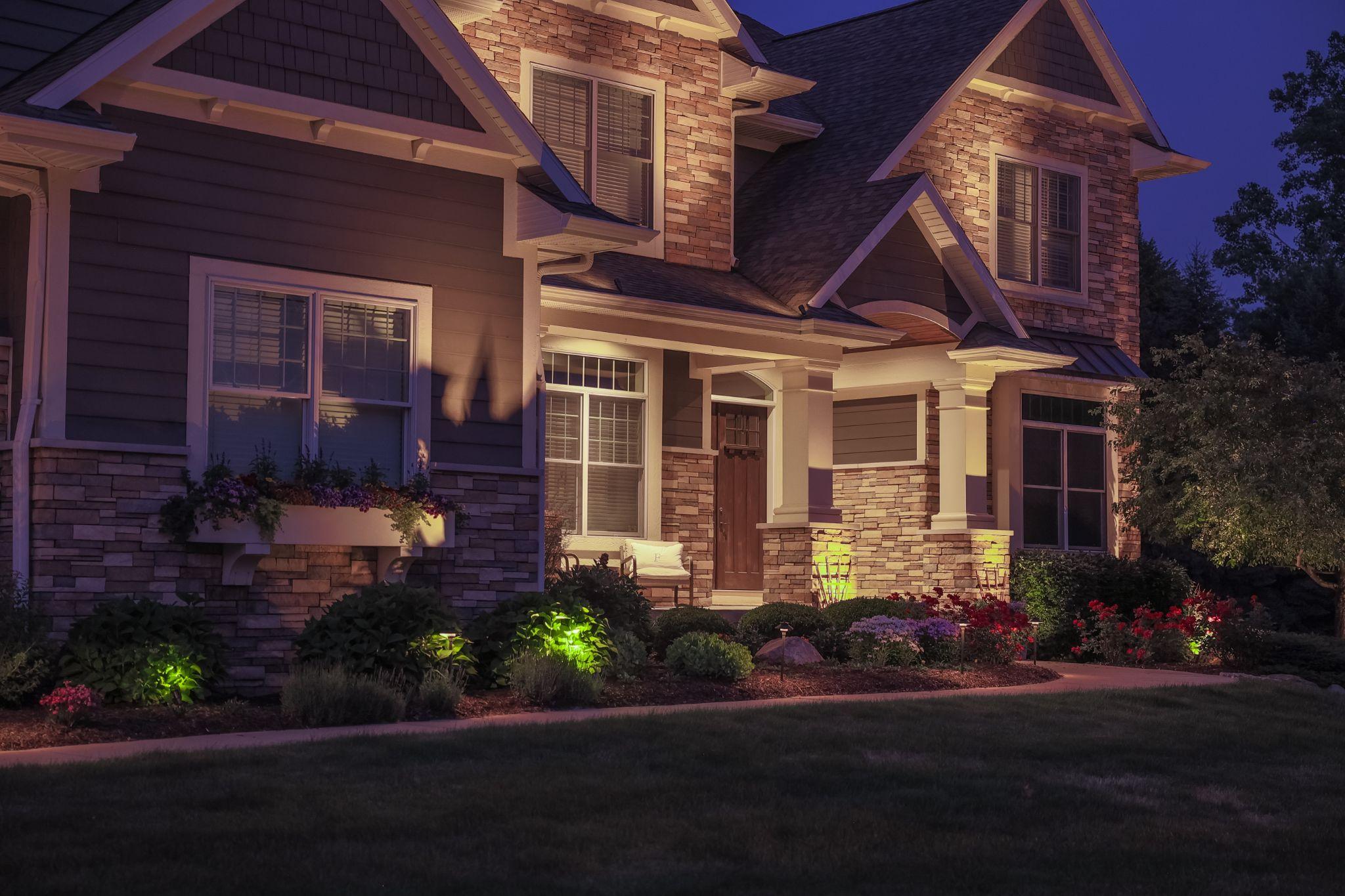
A good lighting plan can completely change how your backyard feels after dark. It’s not just about seeing where you’re going (though that’s vital for safety), it’s also about creating a welcoming mood.
When making a lighting plan for your outdoor space, think in layers: you want to light for safety, for function, and for ambiance.
Any comprehensive outdoor living space design guide will emphasize lighting as both a practical necessity and a design opportunity. Here are some key lighting ideas to consider:
- Ensure any walkways, steps, and grade changes are well-lit to prevent trips and falls. Low-voltage path lights along a sidewalk or pavers can gently illuminate the route without blinding anyone. For deck or patio steps, you can install lights on the risers or use downlights mounted under railings. The goal is that anyone can move around your yard at night with confidence. Every landscape lighting plan for backyard safety should address these high-traffic areas first.
- If you have an outdoor cooking area or even just a grill, plan for a light nearby so the chef can see what they’re doing. This could be a sconce on the house shining onto the grill, a mounted light under a pergola, or even a clamp-on grill light. Similarly, if you have a pergola or gazebo with a seating area, consider a ceiling fan light or pendant light so you can read, eat, or play games after sunset. Functional lighting makes your outdoor living space as usable at night as it is during the day.
- To create atmosphere, use uplights or spotlights on some of your landscape’s star elements. For instance, uplighting a beautiful tree can create a dramatic focal point. Washing light against a stone wall or your home’s exterior can add a soft glow and highlight textures. You might also put a light in a flower bed or near a water feature to showcase it. These accent lights are usually kept subtle you’re aiming for a lovely glow, not stadium lighting.
- Once your safety and accent lights are covered, you can add those extra touches that make the space magical. String lights (café lights) draped over a patio or along a fence provide a warm, diffuse light that instantly feels cozy. Hanging lanterns or solar stake lights in planting beds can add a whimsical touch. Even LED candles on a table or a fire feature (fire pit or outdoor fireplace) contribute both light and a sense of relaxation. These elements are the finishing flourishes that invite you to linger outside longer.
What Are Some Backyard Privacy Ideas for Patios (Without Feeling Closed-In)?
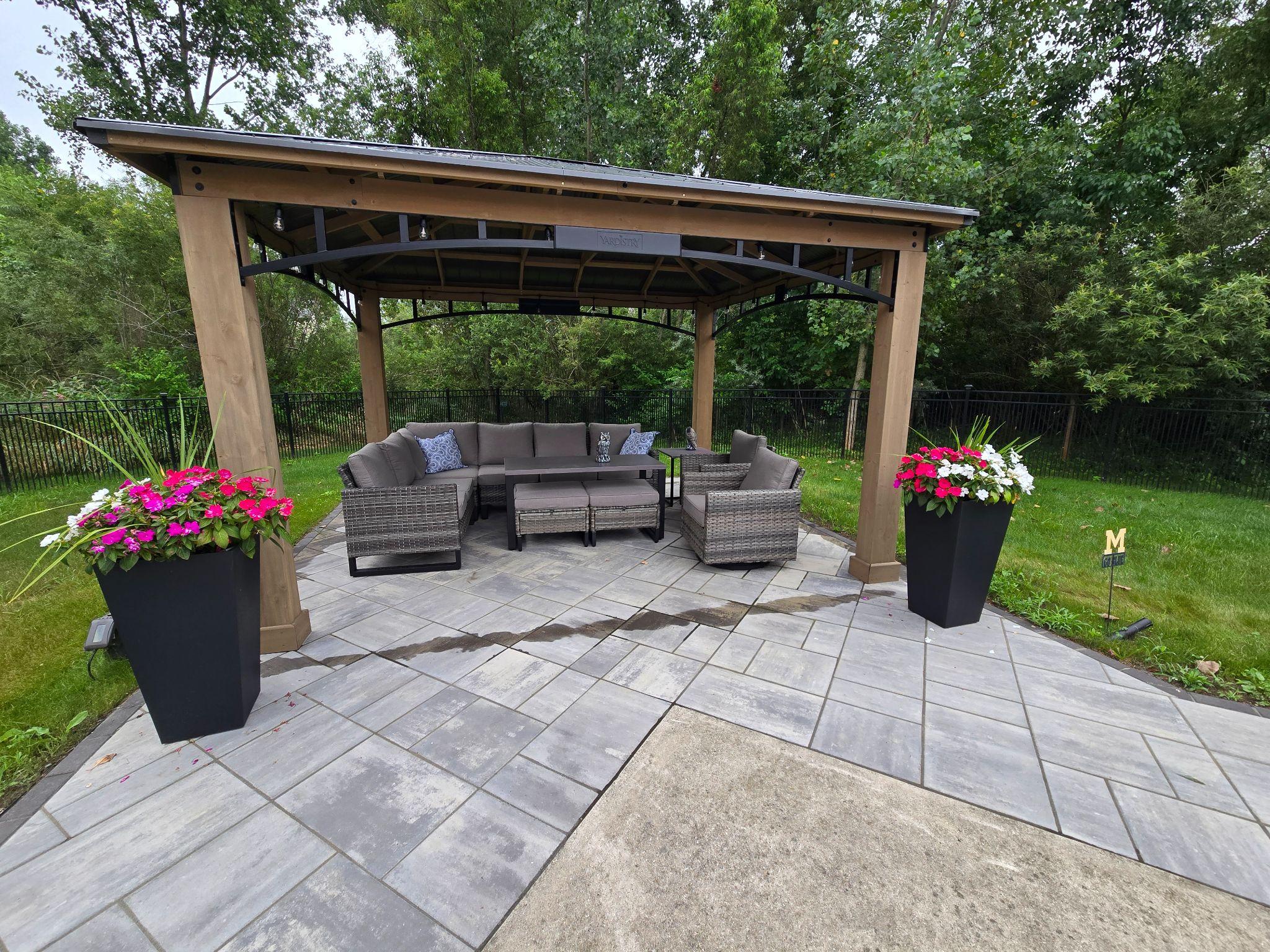
Enjoying your patio is easier when you’re not feeling watched by neighbors or passing cars. But nobody wants their backyard to feel like a walled prison either. In this outdoor living space design guide, privacy solutions focus on screening views without making you feel boxed in.
Here are a few backyard privacy ideas for patios:
Green Walls and Hedges
Plants provide natural privacy without closing in your space. Tall hedges create year-round screening, while trellises or vertical panels with climbing plants block nearby views. Evergreens maintain coverage in winter, and leafy vines offer seasonal softness, helping patios feel more like a garden retreat than a fenced enclosure.
Pergolas and Overhead Structures
A pergola adds definition without fully enclosing your patio. Curtains, outdoor blinds, or roll-down shades provide adjustable screening when needed and stay open otherwise. These flexible backyard privacy ideas for patios help block nearby views while preserving airflow, light, and an open, comfortable feel.
Screens and Panels
Decorative screen panels offer quick privacy near patio seating. Wood, metal, or lattice screens block key sightlines and can support climbing plants for added greenery. Freestanding screens allow flexibility and repositioning. By addressing only main viewing angles, you can improve privacy without enclosing the entire patio.
Strategic Planting and Placement
Thoughtful layout choices can improve privacy without construction. Position seating in naturally sheltered areas, such as near the house or garage. Use ornamental grasses, small trees, or tall planters to soften sightlines. These subtle adjustments create a sense of enclosure while keeping the patio open and inviting.
What Are the Basics of Planting Design for Structure, Seasonal Color, and Low-Fuss Care?
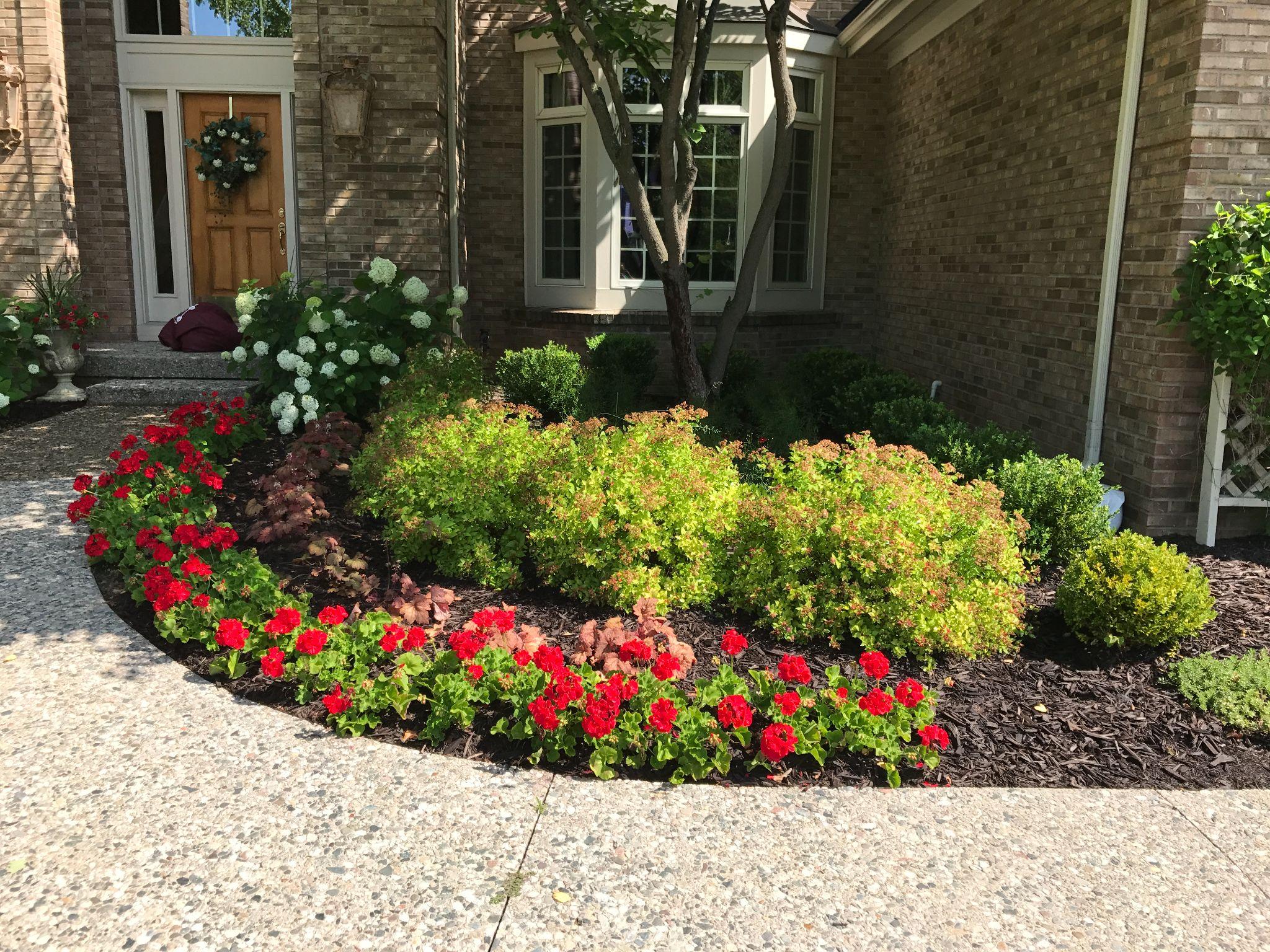
No outdoor living area feels complete without greenery. Thoughtful planting softens hardscapes, adds comfort, and helps your yard feel inviting rather than unfinished. Without planning, however, planting can become frustrating, beautiful for a short time but difficult to manage in the long term. The most successful landscapes strike a balance between structure, seasonal interest, and ease of care. This is a core principle of any outdoor living space design guide, because plants influence how your entire space looks and functions throughout the year.
Strong planting design begins with structure. Trees, shrubs, and evergreens form the backbone of your landscape, keeping it visually grounded even when flowers fade. Evergreen hedges can outline patios or provide privacy, while shade trees add height and definition. These permanent elements help anchor outdoor spaces and prevent the yard from feeling empty in winter. Deciding where structure is needed helps organize the space before adding detail.
Once structure is in place, seasonal variety brings the landscape to life. Spring bulbs provide early color, summer perennials carry the space through warm months, and fall foliage or late-blooming plants extend interest later in the year. Ornamental grasses and berry-producing shrubs add texture and color even in colder seasons. Rotating interest throughout the year is essential when learning how to design an outdoor living space that feels active and engaging, not stagnant.
Low-maintenance choices keep planting enjoyable instead of overwhelming. Plants suited to local soil and climate require less watering and care. Grouping plants with similar needs improves efficiency, while proper spacing reduces pruning and replacement. Mulch helps retain moisture and control weeds. When planting works with natural conditions, your landscape stays healthy with less effort and continues supporting the overall design year after year.
Why Should You Factor In Drainage in Your Outdoor Design?
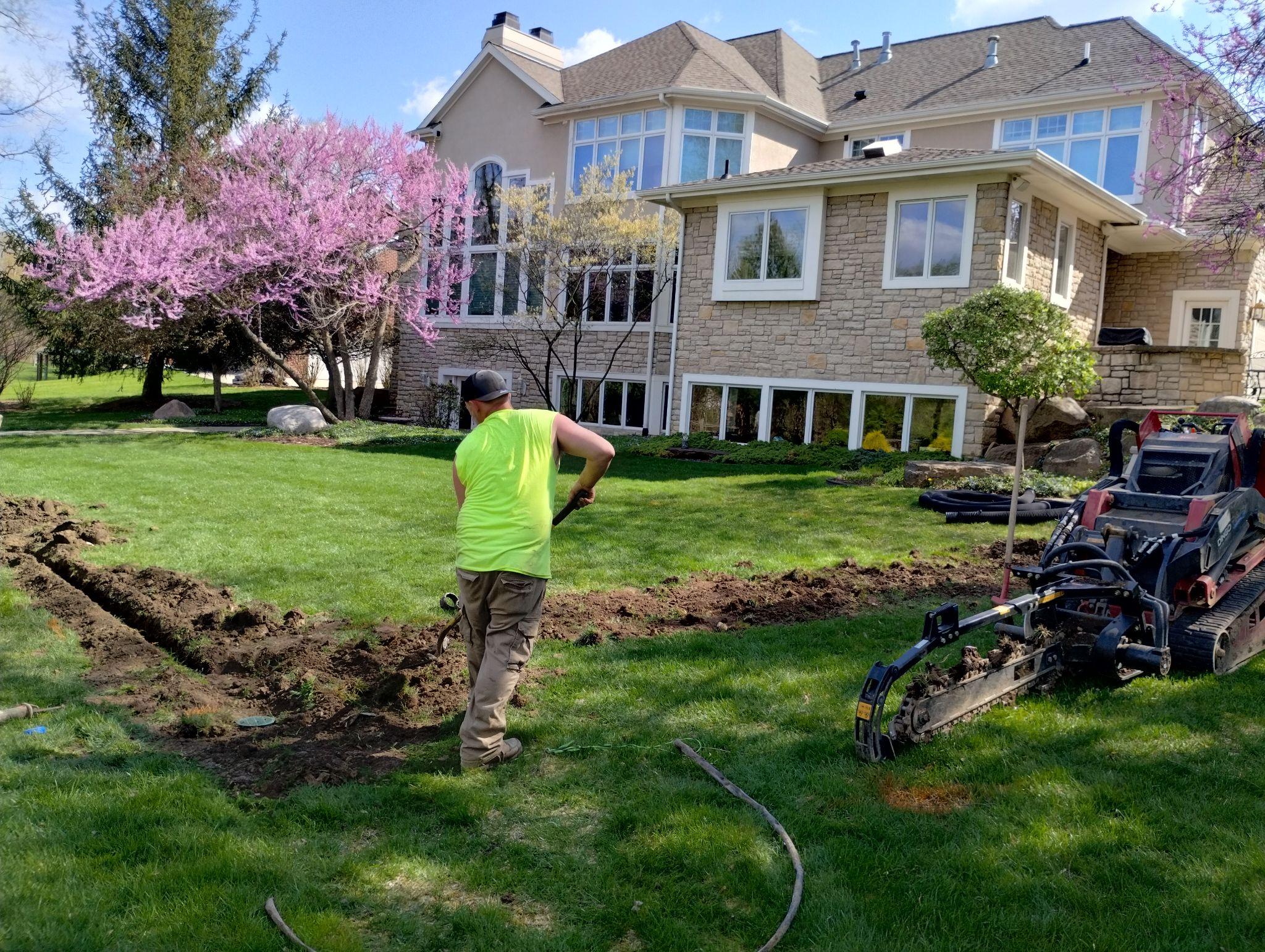
Drainage may not be the most visible part of your project, but it plays a major role in long-term performance. Poor drainage can lead to standing water, foundation issues, and damage to patios or planting beds. Proper planning ensures rain and snowmelt move away from your home and outdoor features instead of collecting where you don’t want them. Any reliable outdoor living space design guide accounts for water movement early in the process.
Patios and walkways should be gently sloped so water sheds naturally away from structures. Retaining walls and garden beds often need drainage layers or piping to prevent pressure buildup behind them. Gutters and downspouts should direct runoff away from patios and low areas, sometimes through extensions or underground lines. These details can be easily overlooked when focusing on finishes and layout.
Addressing drainage during construction is far easier than correcting problems later. When water is managed correctly from the start, your outdoor space remains safe, durable, and usable through every season.
What Happens in Your Project Timeline From Design to Start?
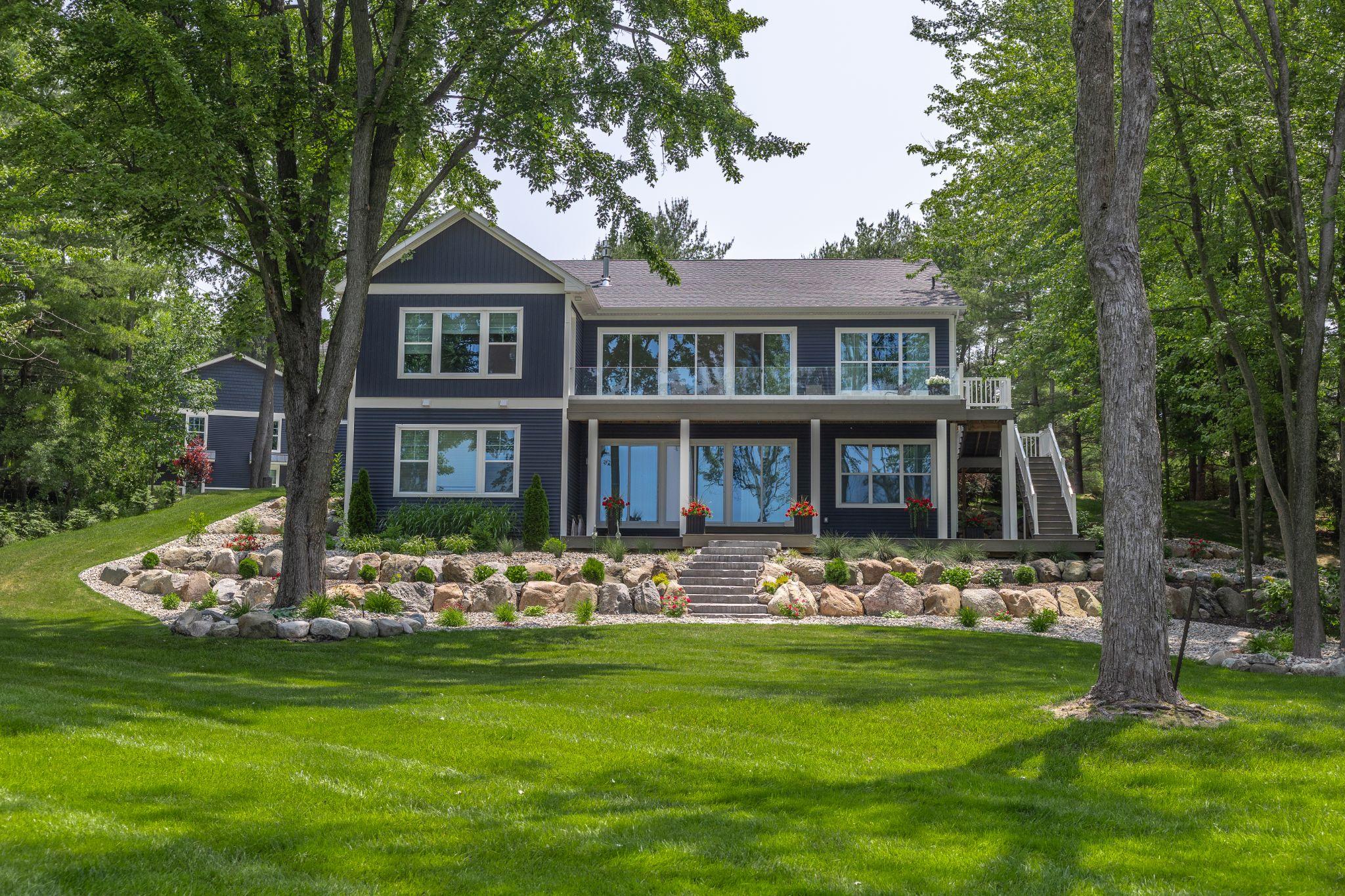
This outdoor living space design guide also prepares you for what comes next, so you know what to expect as your project moves toward construction. The timeline from final design approval to the start of construction can vary, but understanding the steps can help set your expectations.
Here’s a general overview of what happens:
Design Finalization and Approval
This stage focuses on reviewing plans, renderings, and material selections. Final adjustments are made to ensure the layout supports daily use and long-term durability. Clear documentation outlines the full scope of work and expectations. This step ensures design decisions, including patio design tips for backyard flow and comfort, are fully aligned before construction begins.
Scheduling and Permits
Once approved, the project is scheduled based on seasonality and availability. Required permits and approvals are handled during this phase, along with material ordering and utility locates. Clear timelines and early coordination help avoid delays while keeping the process organized and predictable for homeowners.
Pre-Construction Coordination
Before work begins, communication becomes more detailed. A dedicated contact explains the start date, site setup, and daily expectations. You’ll know where materials will be staged and who to contact with questions. Proactive updates ensure weather or scheduling changes are shared clearly and early.
Breaking Ground and Beyond
Construction begins with site preparation and excavation, followed by installation of hardscapes, lighting, and plantings. Progress updates continue throughout the build. Thanks to careful planning, surprises are limited, timelines stay realistic, and the finished space reflects the original design vision.
Are You Ready to Create Your Outdoor Living Space?
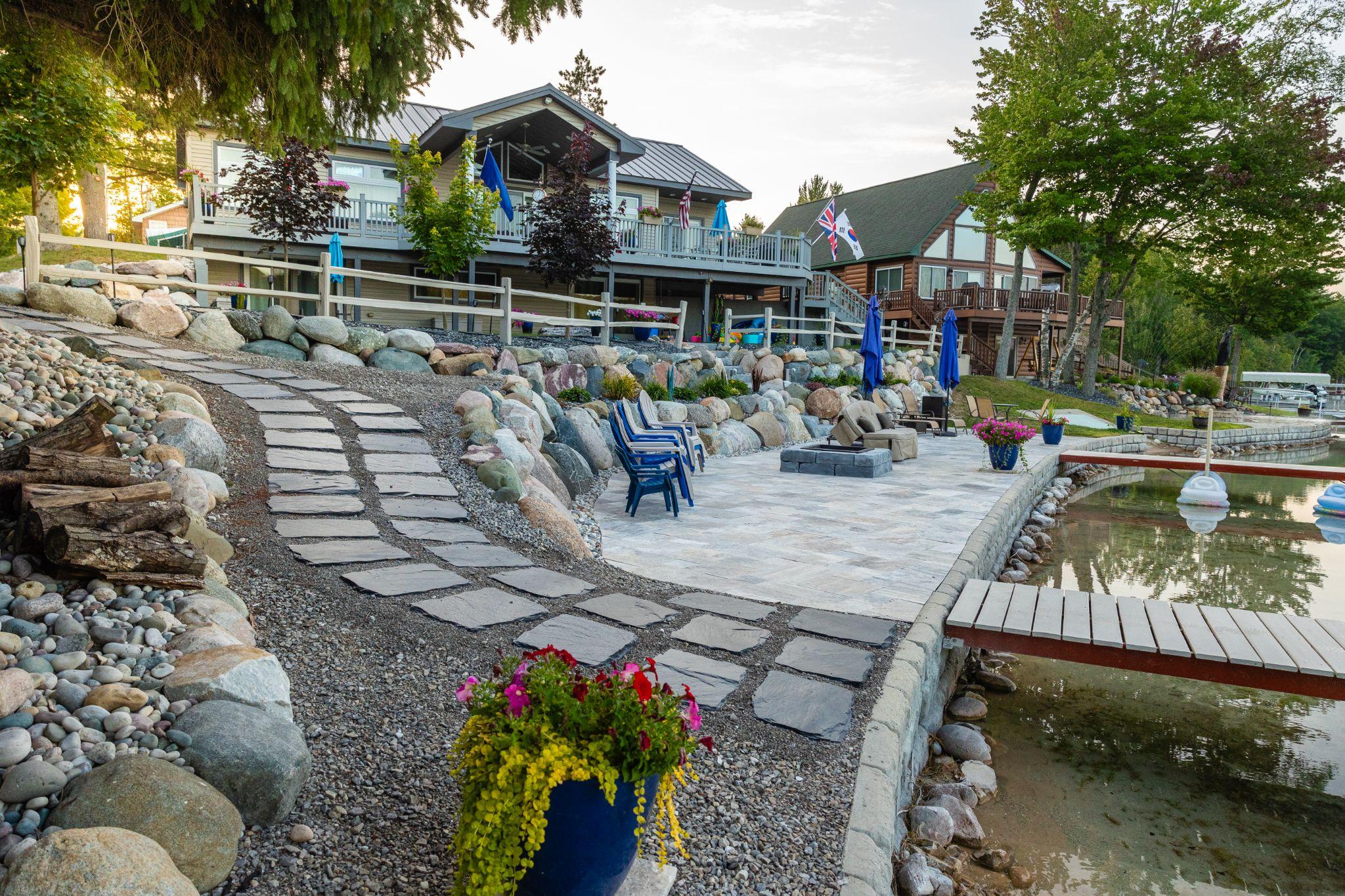
Designing an outdoor space is about more than selecting features. It’s about creating a yard that works naturally with how your household lives, gathers, and relaxes. When layout, materials, planting, lighting, and drainage are planned together, the result feels intentional and easy to use. A clear plan removes uncertainty and helps every element support the next, from patios and kitchens to privacy and long-term care.
Smith Lawnscapes LLC approaches outdoor living projects with a focus on clarity, consistency, and trust. Integrity is built into the company name and reflected in how each project is managed. Our company provides a dedicated point of contact for every homeowner, ensuring questions are answered and progress is clearly communicated. Efficient processes help move projects smoothly from design approval to construction start, creating an experience that feels organized rather than overwhelming.
If you’re ready to plan an outdoor space with confidence and purpose, our team is ready to help guide the process from start to finish. Connect with Smith Lawnscapes LLC today to begin a thoughtful, well-structured outdoor project. Request a quote today!
Summary:
An outdoor living space design guide is your roadmap to creating a functional, beautiful backyard. It covers everything from defining your outdoor living areas and picking layouts, to choosing the right materials, lighting, and plants. By following this guide, you can confidently design a patio, outdoor kitchen, and more that perfectly suit your lifestyle.
Tags: